Some Known Incorrect Statements About Lab Grown Diamonds
Table of ContentsLab Grown Diamonds for DummiesSome Ideas on Lab Grown Diamonds You Need To KnowThe smart Trick of Lab Grown Diamonds That Nobody is DiscussingThe Single Strategy To Use For Lab Grown Diamonds
As you take a trip closer to the Earth's core, pressure and temperature level increase, which develops the best oven for carbon to be exchanged diamond (rubies are the only gemstone to be made from simply one element). Through a huge volcanic eruption, these diamonds were transferred to the Planet's surface. It's estimated this process was fairly fast (probably over the training course of several hours), which permitted the diamonds to remain intact without melting.The short answer: carat weights determine the mass of stones, karats gauge the pureness of gold. Carat weight: 1 carat weight amounts to 0.2 grams, concerning the weight of a paperclip (next time you see a photo of Mariah Carey's 35 carat engagement ring, just envision the problem of bring 35 paper clips around your finger on a daily basis).
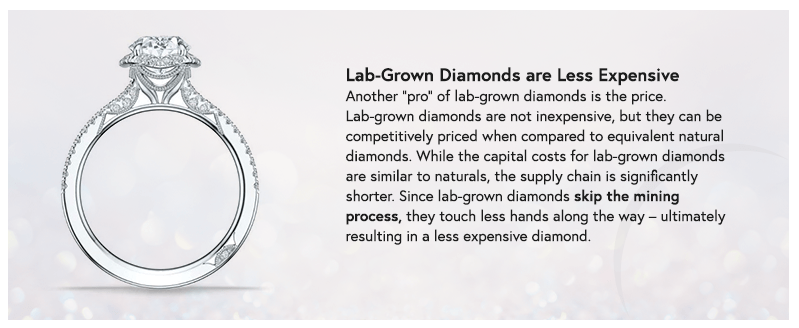
Right here are several of the crucial benefits of lab expanded rubies and lab grown up diamond jewellery:.
How Lab Grown Diamonds can Save You Time, Stress, and Money.
In other words, natural or earth-mined rubies are crafted over millions of years below the Earth's crust from pure carbon incorporated with stress and heat. Developing diamonds in a laboratory calls for the same process, simply fine-tuned to happen over a much smaller sized timespan in a a lot more regulated setup.
Whereas earth-mined diamonds are unusual and finite and have a tendency to increase in cost gradually, lab diamonds are easily offered. As demand rises, laboratories can remain to create lab rubies indicating they are not restricted or scarce contrasted to all-natural rubies. If you have an interest in great jewelry from a financial investment viewpoint, like lab-grown ruby rings, they won't be a good fit for your needs.
They might believe that the cons of lab-grown diamonds outweigh the pros. Some could say that, for this reason, buying a lab-made diamond likewise comes with its moral factors to consider, as doing so takes earnings away from those entailed in the natural ruby market who might require it most.
Standard rubies count on the Earth's conditions to identify their quality or absence thereof. In a lab, suppliers can directly regulate a diamond's high quality.
The Basic Principles Of Lab Grown Diamonds
You can easily discover tinted, synthetic diamonds on the (relatively) inexpensive side as well as details cuts that would be costlier if you were going shopping for a mined diamond only. That rarely suggests it isn't worth protecting.
natural rubies is that the latter is mined from natural deposits in the Earth while the previous is made in a lab making use of controlled settings. Their high quality is mostly the exact same. While the difference between lab-grown and natural diamond options are very little when it comes to quality, a few of the downsides of lab-grown rubies consist of the truth that the stone will depreciate with time and, to some, a lack of nostalgic worth that's typically associated with extracted rubies
The procedure involves marginal land interruption and eliminates issues associated with deforestation and environment destruction. Lab-grown diamonds are usually a lot more inexpensive than natural diamonds. This cost distinction can be credited to the structured manufacturing process and the evasion of expenses connected with traditional mining. The Controlled Setting in Which Lab Grown Diamonds Are Developed Permits for Consistent Quality.
Versatility in Layout - Laboratory Grown Diamonds Deal Designers and Customers a Versatile Combination to Develop Unique and Cutting-edge Precious Jewelry Layouts - Lab Grown Diamonds. Lab Diamonds Commonly Come with An Even More Transparent Supply Chain.
Not known Details About Lab Grown Diamonds
Market Perception - Despite Their Identical Physical Characteristics, Laboratory Diamonds May Face Tests website in Market Assumption. Some Customers Still Perceive Natural Diamonds as Having Higher Worth and Status. The Production of Lab-Grown Diamonds Can Be Energy-Intensive, Especially in Techniques Like High Pressure High Temperature level (hpht) and Chemical Vapor Deposition (cvd).
All-natural Rubies Are Developed Over Millions of Years Deep Within the Earth, Contributing to Their Viewed Rarity. Lab-Grown Rubies, Despite Their Similar Characteristic, May Not Carry the Same Rarity Aspect, Influencing Their Regarded Worth for Some Consumers. Influence On Diamond-Dependent Economic Climates - the Shift In The Direction Of Lab Grown Diamonds May Have Financial Ramifications for Countries and Areas that Depend Upon The Diamond Mining Market.
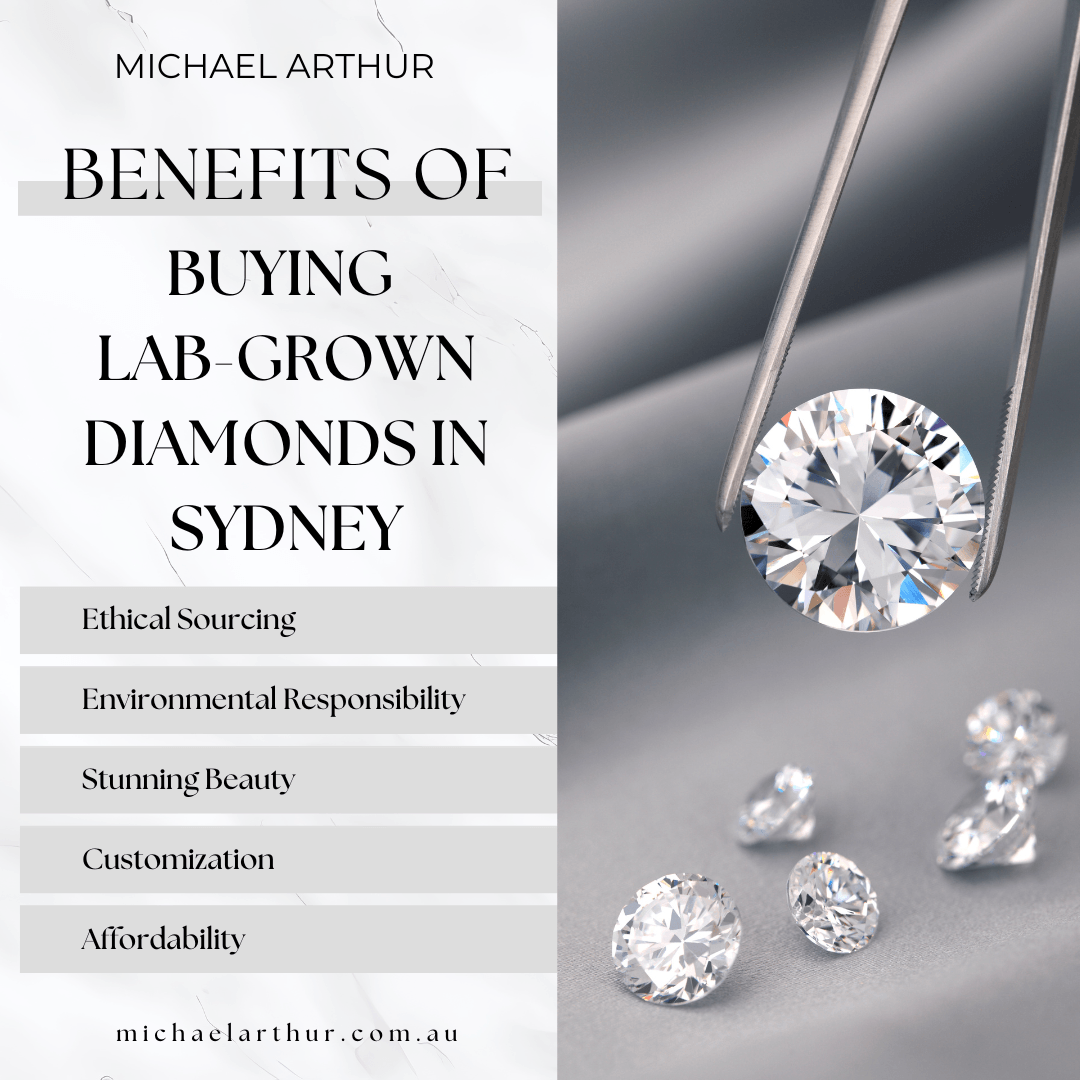
Ans. Laboratory Diamonds Are of Equal High Quality to Natural Diamonds in Terms of Solidity, Radiance, and Clearness. the Quality of A Ruby, Whether Lab-Grown or Mined, Is Established by Its Cut, Shade, Clarity, and Carat Weight Weight. Ans. Yes, Laboratory Diamonds Glimmer Similar To Natural Diamonds. Their Radiance and Glimmer Are a Result of Their Cut and The Means Light Engages with Their Facets. Ans.